.jpeg)
Why Botanical Ingredients Should Always Be Third-Party Tested
- 2 days ago
- 3 min read
Botanical ingredients have become the foundation of many modern wellness products. From hemp extracts and medicinal mushrooms to herbal supplements, adaptogens, teas, skincare ingredients, and functional beverages, plant-based formulations continue to grow in popularity.
While consumers often associate natural ingredients with quality, "natural" does not automatically mean consistent. Botanical materials can vary significantly based on where they are grown, how they are harvested, how they are processed, and how they are stored.
That's why third-party laboratory testing plays an important role in helping manufacturers verify the quality, identity, and consistency of botanical ingredients before they become finished products.
What Are Botanical Ingredients?
Botanical ingredients are materials that originate from plants and are used in products designed for wellness, nutrition, cosmetics, personal care, and food applications.
Common examples include:
Hemp extracts
Ashwagandha
Turmeric
Green tea extract
Chamomile
Elderberry
Echinacea
Ginger
Lion's Mane
Reishi
Cordyceps
Botanical powders and herbal blends
As demand for plant-based products continues to increase, manufacturers must ensure these ingredients meet their internal quality standards.
Why Botanical Ingredients Can Vary
Unlike synthetic ingredients, botanical materials are influenced by nature.
Several factors can affect their composition, including:
Soil conditions
Climate
Rainfall
Harvest timing
Geographic origin
Drying methods
Storage conditions
Processing techniques
Even two ingredients sourced from the same plant species may differ depending on how they were produced.
Routine laboratory testing helps manufacturers better understand this natural variability.
The Importance of Third-Party Testing
Independent laboratory testing provides objective analytical data that manufacturers can use to evaluate incoming ingredients before production begins.
Routine testing helps support:
Ingredient verification
Product consistency
Supplier evaluation
Manufacturing quality
Internal quality assurance programs
By identifying potential concerns early, manufacturers can make informed decisions before ingredients enter the production process.
Common Types of Testing for Botanical Ingredients
Depending on the ingredient and intended application, laboratories may perform analyses such as:
Identity Testing
Confirms that the botanical material matches the intended ingredient.
Potency Analysis
Measures naturally occurring compounds or active constituents relevant to the product.
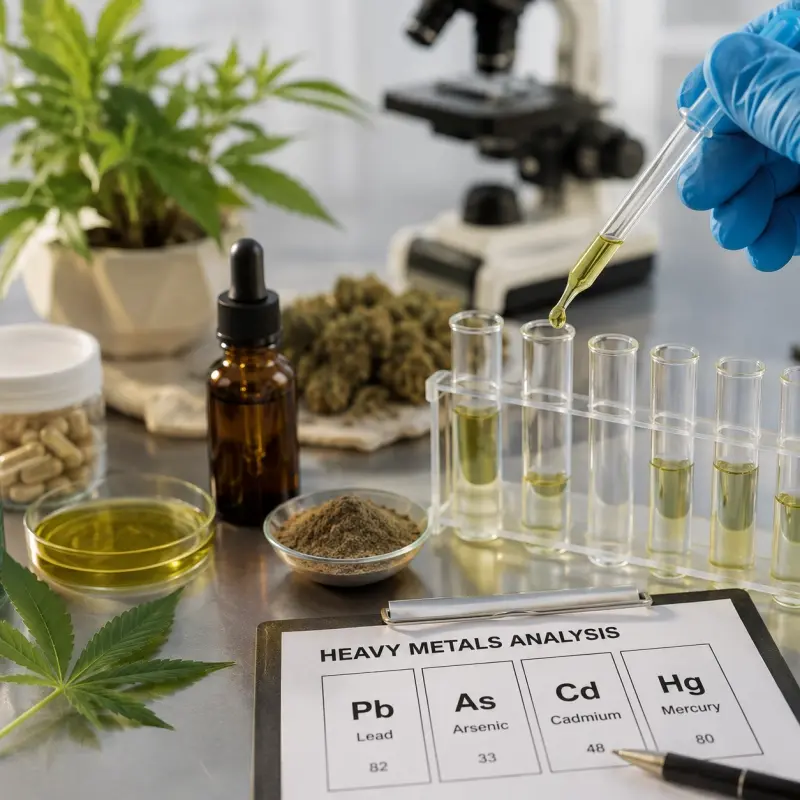
Heavy Metal Testing
Evaluates ingredients for the presence of lead, arsenic, cadmium, mercury, and other metals.
Microbial Testing
Screens for bacteria, yeast, mold, and other microorganisms that may affect product quality.
Contaminant Screening
Depending on the product, laboratories may also evaluate for pesticides, residual solvents, or other potential contaminants.
The specific testing panel should be selected based on the ingredient, manufacturing process, and intended use.
Why Ingredient Testing Benefits Manufacturers
Testing botanical ingredients before production offers several advantages.
Manufacturers can:
Verify incoming raw material quality
Monitor supplier consistency
Improve batch-to-batch uniformity
Support quality assurance programs
Build consumer confidence
Reduce production uncertainty
Historical testing data also provides valuable insight for supplier qualification and continuous improvement.
Building Trust Through Transparency
Today's consumers expect more information about the products they purchase.
Brands that prioritize independent laboratory testing demonstrate a commitment to quality, transparency, and continuous improvement.
Working with a trusted third-party laboratory helps manufacturers support those commitments with objective analytical data.
Choosing a Laboratory Partner
Selecting an experienced laboratory is an important part of any quality assurance program.
Manufacturers should look for a laboratory that provides:
Comprehensive analytical capabilities
Reliable turnaround times
Accurate reporting
Responsive customer service
Experience with botanical and wellness products
A long-term laboratory partnership helps manufacturers maintain confidence in both their ingredients and finished products.
Partner with Accurate Test Lab
At Accurate Test Lab, we provide third-party laboratory testing for botanical ingredients, hemp-derived products, dietary supplements, functional beverages, cosmetics, and other wellness products.
Our experienced team delivers dependable analytical testing, responsive customer support, and reliable reporting to help manufacturers verify ingredient quality before production begins.
Whether you're evaluating a new supplier or strengthening your quality assurance program, Accurate Test Lab is here to support your success.


Comments