.jpeg)
Why Testing Raw Materials Is Just as Important as Testing Finished Products
- Jun 19
- 3 min read
When manufacturers think about laboratory testing, the focus is often on finished products. While final product testing is essential, testing the raw materials used during production can be just as important.
Raw material testing helps manufacturers identify potential issues before production begins, reducing waste, improving consistency, and supporting a stronger quality assurance program.
Whether you manufacture cannabis products, dietary supplements, food, beverages, cosmetics, or consumer goods, verifying the quality of incoming ingredients is a proactive step toward producing reliable products.
What Is Raw Material Testing?
Raw material testing is the process of evaluating ingredients, components, or other materials before they enter the manufacturing process.
The purpose is to verify that incoming materials meet your company’s quality specifications and are suitable for production.
By testing materials before they are used, manufacturers can identify problems early and avoid costly production issues later.
Why Is Raw Material Testing Important?
Every finished product begins with its ingredients.
Even the most advanced manufacturing process cannot compensate for poor-quality raw materials.
Testing incoming materials can help manufacturers:
Verify ingredient quality
Confirm product specifications
Detect contamination
Improve batch consistency
Reduce production waste
Strengthen supplier quality programs
Support regulatory compliance
Identifying problems before production begins often saves significant time and expense.
Common Raw Materials That May Be Tested
Depending on the industry, manufacturers may submit a wide variety of materials for laboratory analysis.
Examples include:
Plant materials
Botanical extracts
Oils
Powders
Active ingredients
Flavoring agents
Nutritional ingredients
Cosmetic ingredients
Packaging materials
Water used during production
Testing requirements vary depending on the intended use of each material.
Types of Testing Performed on Raw Materials
The specific analyses performed depend on the product and manufacturing process.
Common laboratory services include:
Identity Testing
Confirms that incoming materials match their intended specifications.
Potency Analysis
Measures the concentration of active ingredients when applicable.
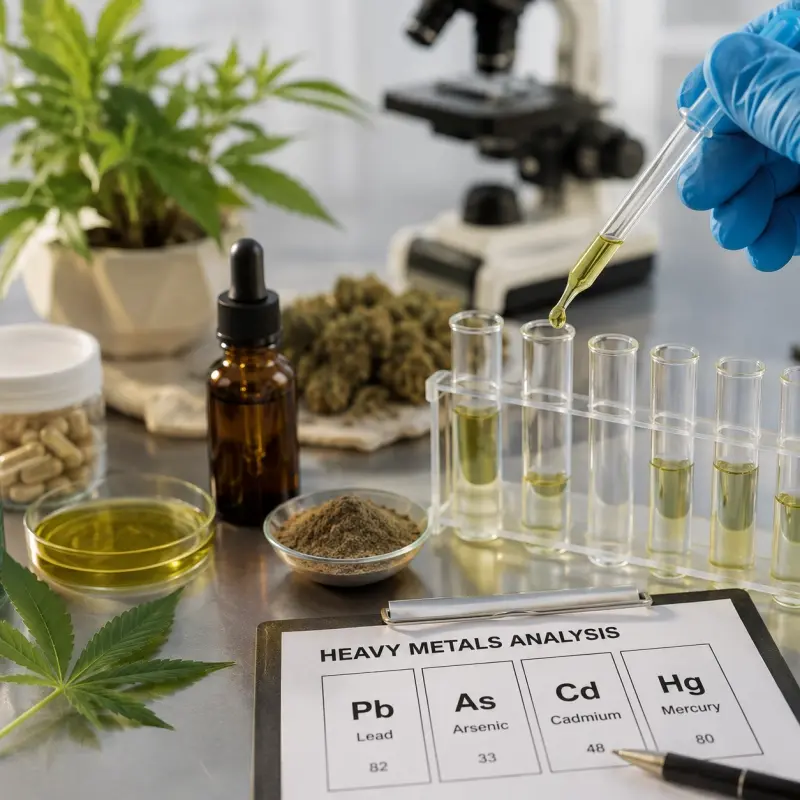
Heavy Metal Testing
Screens for potentially harmful metals that may be present in raw materials.
Microbial Testing
Evaluates materials for bacteria, yeast, mold, or other microorganisms.
Moisture Analysis
Measures moisture levels that may affect product stability or shelf life.
Contaminant Screening
Depending on the material, laboratories may test for pesticides, residual solvents, or other contaminants.
How Raw Material Testing Improves Manufacturing
Testing ingredients before production offers several long-term advantages.
More Consistent Products
Consistent raw materials contribute to consistent finished products.
Fewer Production Delays
Identifying issues early helps prevent interruptions during manufacturing.
Better Supplier Management
Laboratory testing provides objective data that can be used to evaluate supplier performance over time.
Reduced Waste
Catching unsuitable materials before production begins helps reduce unnecessary product loss and manufacturing costs.
Stronger Customer Confidence
Consistently high-quality products help strengthen customer trust and brand reputation.
When Should Raw Materials Be Tested?
Many manufacturers choose to test materials:
When working with a new supplier
When changing ingredient sources
Before production begins
As part of routine quality assurance
When unexpected production issues occur
Periodically to verify supplier consistency
Establishing a routine testing program can help maintain quality standards throughout the manufacturing process.
Choosing a Laboratory for Raw Material Testing
An experienced third-party laboratory can help manufacturers verify incoming materials using validated analytical methods and dependable quality systems.
Working with a trusted testing partner allows businesses to make informed decisions before valuable production resources are committed.
Partner with Accurate Test Lab
At Accurate Test Lab, we provide third-party analytical testing for manufacturers across a wide range of industries.
From raw materials to finished products, our laboratory supports quality assurance programs through accurate analytical testing, responsive customer service, and dependable turnaround times.
Whether you’re evaluating new suppliers or strengthening your quality control process, Accurate Test Lab is ready to help.


Comments